Wildlife Removal in the Chicago Suburbs: What Homeowners Need to Know
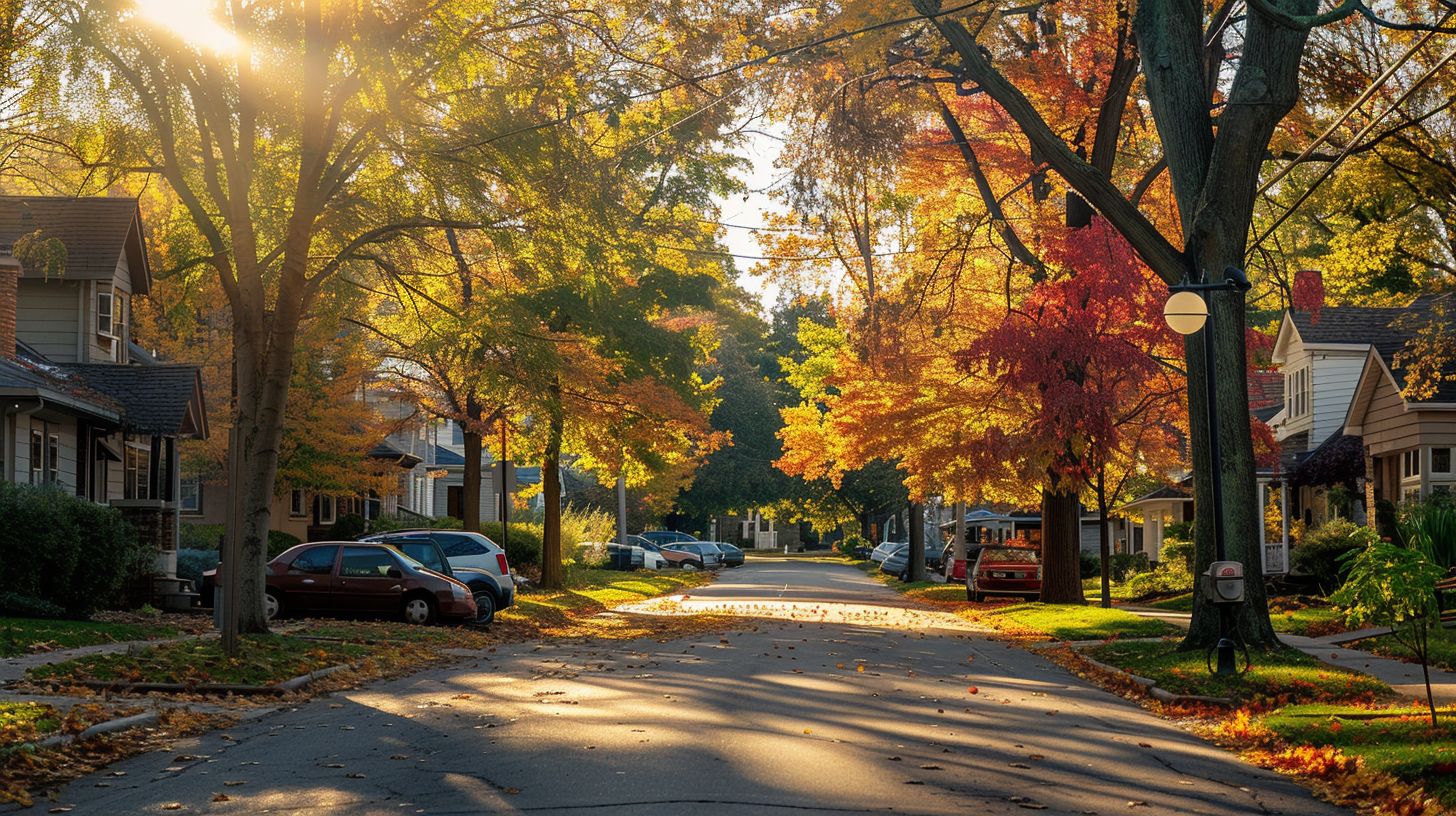
The suburbs ringing Chicago — from Naperville and Aurora in the west to Schaumburg and Arlington Heights in the northwest to Evanston and Skokie along the lakefront — are home to more than 5 million people. They are also home to a thriving population of raccoons, coyotes, bats, opossums, and skunks that have adapted remarkably well to suburban life. When these animals die on or inside your property, understanding the local regulations and knowing who to call makes all the difference.
Common Wildlife Conflicts in Chicagoland
Raccoons in Attics and Chimneys
Raccoons are the number one nuisance wildlife species across DuPage County, Cook County, and Lake County. Female raccoons seek out attic spaces, uncapped chimneys, and detached garage lofts as denning sites, particularly from March through May when they are raising kits. A dead raccoon in an attic is a serious situation — adult raccoons weigh 15–25 pounds, and their carcasses produce an intense odor that can permeate an entire home within 48 hours. Raccoon feces in and around the den site may contain Baylisascaris procyonis (raccoon roundworm) eggs, which remain infectious for years and can cause severe neurological damage in humans, particularly children.
Coyote Encounters
The Cook County Coyote Project, one of the longest-running urban coyote studies in the world, has documented over 4,000 coyotes living within Cook County alone. Coyotes are now a permanent fixture of suburban Chicago, denning in forest preserves, golf courses, and even commercial parking lots. While coyotes rarely die inside homes, dead coyotes on residential property are an increasing concern. Coyote carcasses can carry rabies, distemper, and mange mites. The Illinois Department of Natural Resources (IDNR) advises residents not to handle dead coyotes and to report sightings of sick or dead coyotes to their local animal control agency.
Bat Colonies
Illinois is home to 13 bat species, several of which roost in residential structures. Little brown bats and big brown bats commonly form colonies in attics, soffits, and behind shutters across communities like Wheaton, Glen Ellyn, Libertyville, and Lake Zurich. Dead bats are a significant public health concern because bats are the leading cause of rabies transmission to humans in the United States. The Illinois Department of Public Health (IDPH) recommends that any dead bat found in a home — especially in a room where someone was sleeping — be submitted for rabies testing. Do not handle dead bats without thick leather gloves, and contact your county health department immediately.
Opossums, Skunks, and Rodents
Virginia opossums and striped skunks are common across all Chicagoland suburbs. Opossums frequently die under porches, in window wells, and in crawlspaces. Skunks den under sheds, decks, and concrete stoops — and their carcasses present the added challenge of potential posthumous spray. Norway rats and house mice die in wall cavities year-round, with a spike in late fall and winter as rodenticide use increases.
Illinois Regulations and Agencies
Illinois law and local ordinances govern wildlife removal:
- The Illinois Department of Natural Resources (IDNR) regulates the handling of all wild animals in the state. Under the Illinois Wildlife Code (520 ILCS 5/), most nuisance wildlife can be removed by homeowners or licensed wildlife control operators. However, bats are protected under state law and cannot be excluded during the maternity season (May 15 – August 15) without an IDNR permit.
- Local municipal codes vary across Chicagoland's 280+ municipalities. Many suburbs — including Naperville, Schaumburg, Evanston, and Oak Park — require that wildlife removal operators hold a current Illinois Nuisance Wildlife Removal Permit issued by IDNR.
- The Illinois Department of Public Health (IDPH) oversees rabies surveillance statewide. If you find a dead bat, raccoon, skunk, or fox, your county health department may request the animal be submitted for rabies testing — particularly if there was human or pet contact.
County Health Departments:
- DuPage County Health Department (630-682-7400) — Serves Naperville, Wheaton, Downers Grove, Elmhurst, and surrounding communities
- Cook County Department of Public Health (708-836-8600) — Serves suburban Cook County (not Chicago proper)
- Lake County Health Department (847-377-8000) — Serves Waukegan, Libertyville, Lake Zurich, Vernon Hills, and surrounding areas
Seasonal Patterns in Chicagoland
Chicago's climate creates distinct seasonal wildlife removal patterns:
Spring (March–May): The busiest season. Raccoon and squirrel kits die in attic nests. Opossums emerge from winter torpor. Spring rains flood burrows, displacing skunks and groundhogs.
Summer (June–August): Bat maternity colonies are at peak population. Juvenile animals dispersing from natal territories die in unfamiliar environments. Heat accelerates decomposition — a dead animal in an attic can produce unbearable odor within 24 hours when attic temperatures exceed 120 degrees Fahrenheit.
Fall (September–November): Rodents move indoors. Squirrels cache food in attics and wall cavities. Deer-vehicle collisions spike during the November rut along suburban corridors like Route 59, Route 53, and I-355.
Winter (December–February): Rodenticide kills peak. Animals that entered structures in fall die and go undetected until a warm spell — or until the furnace circulates the odor through the HVAC system.
What to Do When You Find a Dead Animal
- Do not touch the animal. Even with gloves, direct contact with wildlife carcasses risks exposure to rabies, leptospirosis, and ectoparasites.
- Keep pets and children away. Establish a minimum 10-foot perimeter.
- Note the species if possible. Bats, raccoons, skunks, and foxes are rabies-vector species that may need to be tested.
- Call your local animal control for dead animals on public property or roadsides.
- Call a licensed wildlife removal professional for dead animals on or inside your private property.
Professional Removal in Chicagoland
Licensed wildlife removal operators in the Chicago suburbs typically charge $150–$500 depending on the species, location (yard vs. attic vs. wall cavity), and extent of sanitization required. Most offer same-day service across DuPage, Cook, and Lake Counties.
Don't let a dead animal compromise your family's health or your home's air quality. Search Vulture Clean to find a licensed, insured wildlife removal professional serving your Chicago suburb. Whether you are in Naperville, Schaumburg, Evanston, Arlington Heights, or anywhere across Chicagoland, vetted professionals are available for same-day response.