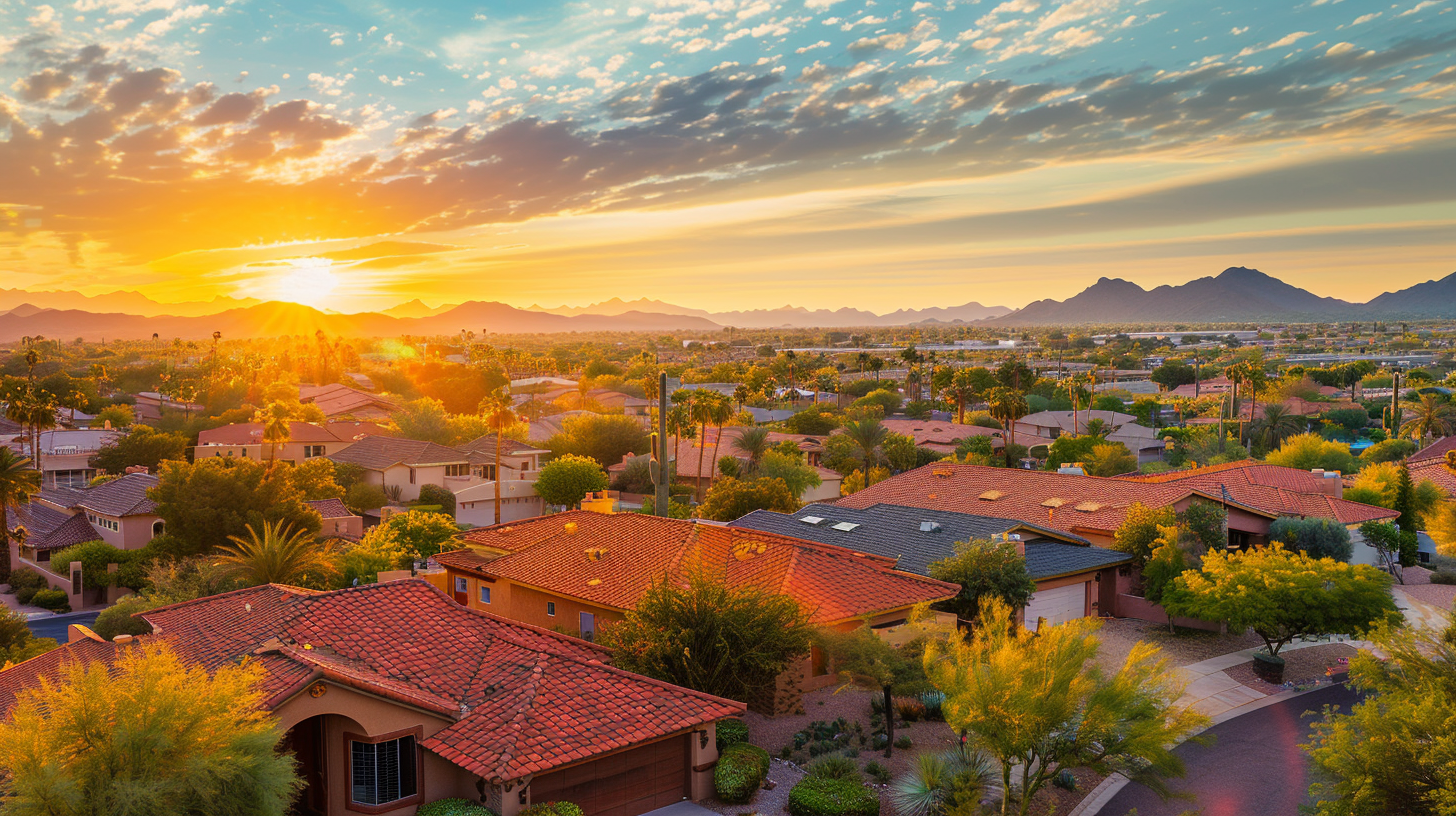
Dead Animal Removal in Phoenix and the Valley of the Sun
Living in the Phoenix metropolitan area means living alongside the Sonoran Desert's wildlife. From Scottsdale and Paradise Valley to Mesa, Chandler, and Gilbert, the Valley of the Sun's 4.9 million residents share their neighborhoods with javelinas, rattlesnakes, coyotes, Gila monsters, and a host of other desert-adapted species. When these animals die on or near your property, the extreme Arizona heat turns a nuisance into an urgent health hazard within hours.
Desert Wildlife: What DFW Homeowners Encounter
Javelinas (Collared Peccaries)
Javelinas are one of the most distinctive animals in the Phoenix area, traveling in herds of 6–15 through neighborhoods bordering the McDowell Mountains, South Mountain, and the desert fringes of Scottsdale, Fountain Hills, Cave Creek, and Anthem. Adult javelinas weigh 40–60 pounds. A dead javelina on your property is a significant removal challenge due to size, the strong musky odor from their dorsal scent gland, and the speed of decomposition in Arizona's heat. Javelinas can carry leptospirosis, salmonella, and parasites including ticks and fleas.
Rattlesnakes
Maricopa County is home to more rattlesnake species than nearly any other county in the United States, including the western diamondback, Mojave rattlesnake, sidewinder, and black-tailed rattlesnake. Dead rattlesnakes are frequently found in garages, pool equipment areas, and yards — particularly in foothill communities in Scottsdale, Ahwatukee, Gold Canyon, and Apache Junction. A critical safety note: rattlesnakes can deliver a reflexive bite for up to an hour after death due to nerve activity. The Arizona Poison and Drug Information Center handles approximately 250–350 rattlesnake bite reports per year, and some involve bites from supposedly dead snakes. Never pick up a dead rattlesnake.
Coyotes
Coyotes are ubiquitous across the Valley, from the urban core of Phoenix to the outer suburbs of Buckeye, Goodyear, and Queen Creek. Dead coyotes on residential property can carry rabies, distemper, and sarcoptic mange. Maricopa County Animal Care and Control (MCACC) advises residents to report dead coyotes, particularly if the animal appeared sick or disoriented before death.
Gila Monsters
The Gila monster is one of only two venomous lizard species in North America and is protected under Arizona state law (Arizona Revised Statutes 17-309). It is illegal to kill, capture, or possess a Gila monster without a permit from the Arizona Game and Fish Department (AZGFD). If you find a dead Gila monster on your property, contact AZGFD (623-236-7201) before disposing of it. The species is most commonly encountered in the northeastern Valley — Scottsdale, Fountain Hills, Rio Verde, and the Superstition Mountain foothills.
Roof Rats
The Phoenix metro has experienced a well-documented roof rat (Rattus rattus) infestation that Maricopa County Environmental Services has tracked since 2001. The heaviest concentrations are in the older, citrus-tree-rich neighborhoods of central Phoenix, Tempe, and Arcadia. Dead roof rats in attic spaces and wall cavities are among the most common removal calls in the Valley.
Arizona's Extreme Heat: Why Speed Is Critical
Phoenix averages 110+ days per year above 100 degrees Fahrenheit, with summer highs routinely exceeding 115 degrees. Attic temperatures in Arizona homes can reach 150–160 degrees Fahrenheit during summer months. This extreme heat has dramatic effects on dead animal decomposition:
- A dead rat in a Phoenix attic in July can reach advanced decomposition within 12–18 hours
- Odor becomes detectable throughout the home within 6–8 hours in summer
- Fly larvae appear within hours, not days
- Decomposition fluids damage insulation, drywall, and wood framing faster due to heat-accelerated chemical breakdown
The bottom line: in the Phoenix metro, you cannot afford to wait. What might be a two-week problem in a temperate climate becomes a 48-hour emergency in the Valley.
Arizona Regulations and Local Agencies
Arizona Game and Fish Department (AZGFD) regulates all wildlife in the state. Key provisions for homeowners:
- Most common nuisance wildlife (raccoons, skunks, opossums, rodents) can be removed from your property without a permit under Arizona Administrative Code R12-4-302.
- Rattlesnakes are classified as wildlife and may be killed in self-defense on your property, but relocation is encouraged. Many Valley communities have rattlesnake relocation services.
- Gila monsters, desert tortoises, and all bat species are protected. Dead specimens should be reported to AZGFD.
- Javelinas are classified as big game. A dead javelina on your property should be reported to AZGFD if the cause of death is unknown.
Maricopa County Animal Care and Control (MCACC) — (602-506-7387) handles stray and wild animal concerns for unincorporated Maricopa County and many Valley cities under contract. They can advise on dead animal reporting and rabies testing.
Maricopa County Environmental Services — Manages the Valley's roof rat program and provides resources for rodent identification and reporting.
Local municipal animal control — Phoenix, Scottsdale, Mesa, Tempe, Chandler, and Gilbert all maintain their own animal control divisions for dead animals on public property.
Protecting Your Property in the Desert
Desert landscaping creates unique wildlife entry points that Valley homeowners should address proactively:
- Block wall gaps — The concrete block walls common in Arizona subdivisions develop gaps at the base and at pilaster joints that allow rodents, snakes, and even juvenile javelinas to access yards
- Pool equipment enclosures — Warm, sheltered pump and filter areas attract rattlesnakes and rodents
- Citrus trees — Fruit on the ground attracts roof rats, which then enter attics through tile roof gaps
- Unsealed garage doors — The gap beneath a standard garage door is wide enough for rats, snakes, and Gila monsters
When to Call a Professional
Do not attempt to remove a dead animal yourself in the Phoenix area if:
- The animal is any species of snake (dead rattlesnakes can still bite)
- The animal is in your attic, wall cavity, or crawlspace
- The temperature is above 90 degrees Fahrenheit (decomposition is already accelerating rapidly)
- The animal is a javelina, Gila monster, or bat (regulated species)
- There are signs of secondary pest activity (flies, maggots, beetles)
Professional dead animal removal in the Phoenix metro typically costs $150–$500. Most operators offer same-day and emergency service throughout the Valley.
Don't let Arizona's heat turn a dead animal into a full-blown home contamination crisis. Search Vulture Clean to find a licensed dead animal removal professional serving Phoenix, Scottsdale, Mesa, Chandler, Gilbert, Tempe, Peoria, Surprise, or anywhere in the Valley of the Sun.